What is HbA1c (Glycated Hemoglobin)?
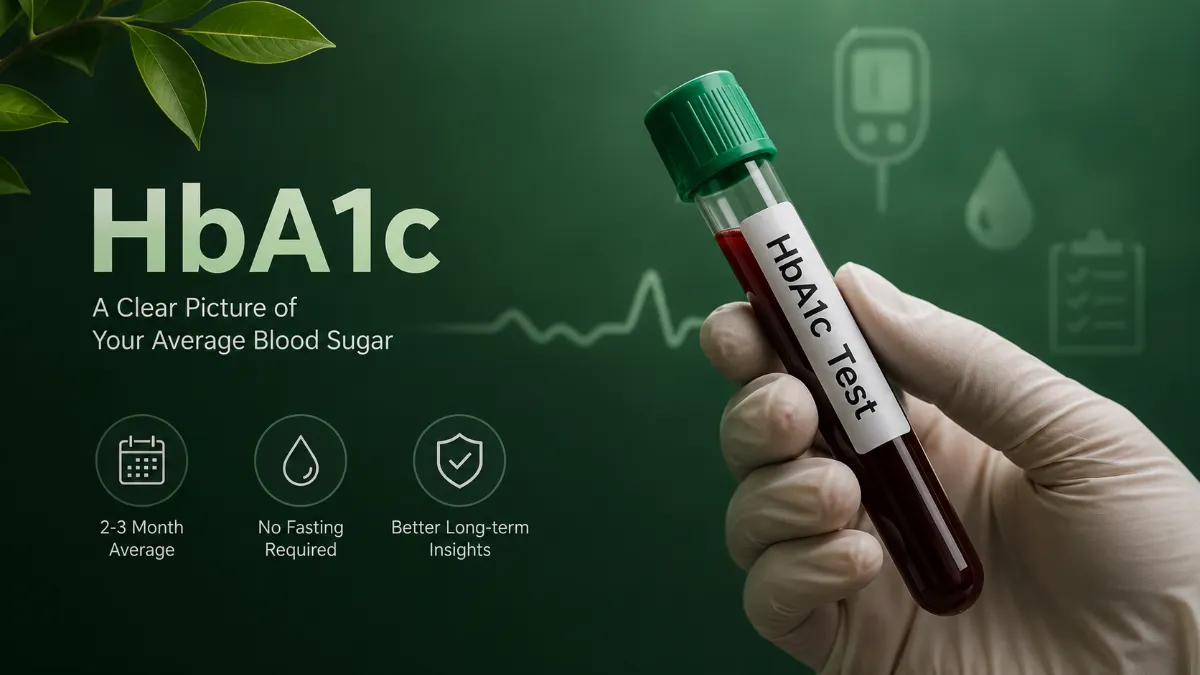
HbA1c, also called glycated hemoglobin, measures the percentage of hemoglobin in your blood that has glucose attached to it. Hemoglobin lives inside red blood cells for about three months, and glucose sticks to it in proportion to how much is circulating in your blood over that time. Because of this, HbA1c gives a picture of your average blood sugar over the past two to three months rather than a single-day snapshot.
This makes it one of the main tests doctors use to diagnose diabetes and prediabetes, and to see how well a diabetes treatment plan is working over time.
Why is this test done?
● To diagnose diabetes or prediabetes, including in people with no symptoms
● To monitor long-term blood sugar control in someone already diagnosed with diabetes
● To check how well a treatment plan, medication, or lifestyle change is working
● As part of a routine health checkup, especially for people with risk factors for diabetes
Who should get this test?
Talk to your doctor about this test if you notice unusual thirst, frequent urination, unexplained fatigue, blurred vision, or slow-healing cuts. These can be associated with elevated blood sugar, though they overlap with other conditions too, so testing is the only way to know for sure.
It's also worth discussing this test with your doctor if any of these apply to you:
● A parent or sibling with diabetes
● Being overweight, especially with limited physical activity
● A personal history of gestational diabetes or polycystic ovary syndrome (PCOS)
● High blood pressure or high cholesterol
● Age over 35, particularly alongside any of the factors above
If you already have diabetes, your doctor will likely recommend this test on a regular schedule, typically every three to six months, regardless of symptoms.
How is the test done?
HbA1c uses a standard blood draw from a vein in your arm, or sometimes a finger-prick sample. Unlike fasting blood sugar, no fasting is needed. You can eat, drink, and take your usual medications before the test unless your doctor tells you otherwise. The draw itself takes only a few minutes, and results are typically available within a day or two.
Normal Range
Parameter | Normal Range | Unit |
|---|---|---|
HbA1c: Normal (non-diabetic adults) | Below 5.7 | % |
HbA1c: Prediabetes range | 5.7 to 6.4 | % |
HbA1c: Diabetes range (confirmed on repeat test) | 6.5 or above | % |
Reference ranges can vary slightly between labs depending on their equipment and method. Always check the range printed on your own report.
These are diagnostic categories, not treatment targets. For someone already diagnosed with diabetes, the goal your doctor sets may be different from these cutoffs. National research through the Indian Council of Medical Research's diabetes studies has used an HbA1c below 7% as a marker of good glycemic control in people already being treated for diabetes, which is a separate benchmark from the 6.5% used to diagnose the condition in the first place. Most Indian labs report HbA1c as a percentage; some countries also report it in mmol/mol, a unit developed as part of international standardization work led by the IFCC, though this is not the common reporting format in India.
What does a High result mean?
A high HbA1c is associated with prediabetes or diabetes, depending on how high the number is. As with fasting blood sugar, a single high reading is usually confirmed with a repeat test or a fasting glucose test before a diagnosis is made. For someone already on treatment for diabetes, a high result suggests blood sugar has been running higher than the target over the past few months, and your doctor may want to review your medication, diet, or activity levels. Always consult your doctor before changing any diabetes medication yourself.
A few conditions can also push HbA1c higher without reflecting true average blood sugar, including iron, vitamin B12, or folate deficiency, and chronic kidney disease. Your doctor may order additional tests if your HbA1c doesn't match your other blood sugar readings.
What does a Low result mean?
A low HbA1c usually reflects blood sugar that has stayed well within range. In someone being treated for diabetes with insulin or certain oral medications, a very low result can sometimes point to frequent low blood sugar episodes. Always consult your doctor before adjusting the dose or timing of any diabetes medication.
HbA1c can also read falsely low in conditions that shorten the lifespan of red blood cells, such as hemolytic anemia, recent significant blood loss, or a recent blood transfusion, since there's less time for glucose to bind. Pregnancy can have a similar effect.
Factors that can affect results
● Iron, vitamin B12, or folate deficiency, which can push HbA1c falsely higher
● Conditions that shorten red blood cell lifespan, such as hemolytic anemia or recent blood loss, which can push it falsely lower
● Chronic kidney disease
● Hemoglobin variants or thalassemia trait, which are relatively common across India and can interfere with some testing methods
● Pregnancy
● A recent blood transfusion
How to Keep It in the Normal Range
Because HbA1c reflects months of blood sugar activity rather than one meal or one day, the habits that support it are ongoing patterns rather than short-term fixes:
● Eat balanced meals built around whole grains, vegetables, and protein rather than heavily processed or sugary foods
● Stay physically active with regular movement through the week
● Maintain consistent, adequate sleep
● Manage stress, since prolonged stress can affect blood sugar patterns over time
● Keep up with routine checkups and, if you're on a treatment plan, follow it consistently rather than only around test dates
Questions You May Be Wondering
What is a good HbA1c score for someone without diabetes?
A result below 5.7% is generally considered normal for someone without diabetes. Between 5.7% and 6.4% falls in the prediabetes range, and your doctor can help you understand what that means for you specifically.
Can HbA1c be high without having diabetes?
Yes. Levels in the prediabetes range indicate higher risk, not a diabetes diagnosis. Certain conditions, like kidney disease or vitamin deficiencies, can also raise HbA1c without reflecting true average blood sugar, which is why doctors often look at the full picture rather than one result alone.
Does the HbA1c test require fasting?
No. You can eat and drink normally before an HbA1c test, which is one reason it's often used alongside or instead of fasting blood sugar.
How often should HbA1c be tested?
For people without diabetes, it's usually checked as part of routine screening or when risk factors are present. For people with diabetes, doctors commonly recommend testing every three to six months, depending on how stable blood sugar control is.
Can HbA1c results be inaccurate?
Yes, in specific situations. Conditions like anemia, hemoglobin variants, kidney disease, or recent blood loss can skew results in either direction. If your HbA1c doesn't match your symptoms or other blood sugar readings, your doctor may recommend an alternative test.

Written By
Vishal Dhenwal
BSc Medical Lab Technologist with 6+ years of clinical diagnostic experience. Founder of Sehatam, translating lab-level clinical knowledge into free wellness guidance for Indians.
Read more about the author →Medical Disclaimer
This article is for informational purposes only and is not medical advice. Test ranges can vary by lab — always interpret your results with a qualified doctor. Read our full disclaimer here.
Related Tests